

Chhattisgarh tops national water conservation campaign, CM Sai presents state’s model

September 03, 2026 | 22:15:55

The state had secured the second position nationally in both JSJB 1.0 and JSJB 2.0.

NEW DELHI: Chhattisgarh has secured the first position nationally in the third phase of the Ministry of Jal Shakti’s ‘Jal Sanchay Jan Bhagidari’ (JSJB) campaign, emerging as a leading example of community-driven rainwater harvesting and groundwater recharge. Five districts of the state—Surajpur, Mahasamund, Balod, Balodabazar-Bhatapara and Kabirdham—have also featured among India’s top 10 districts for water conservation.

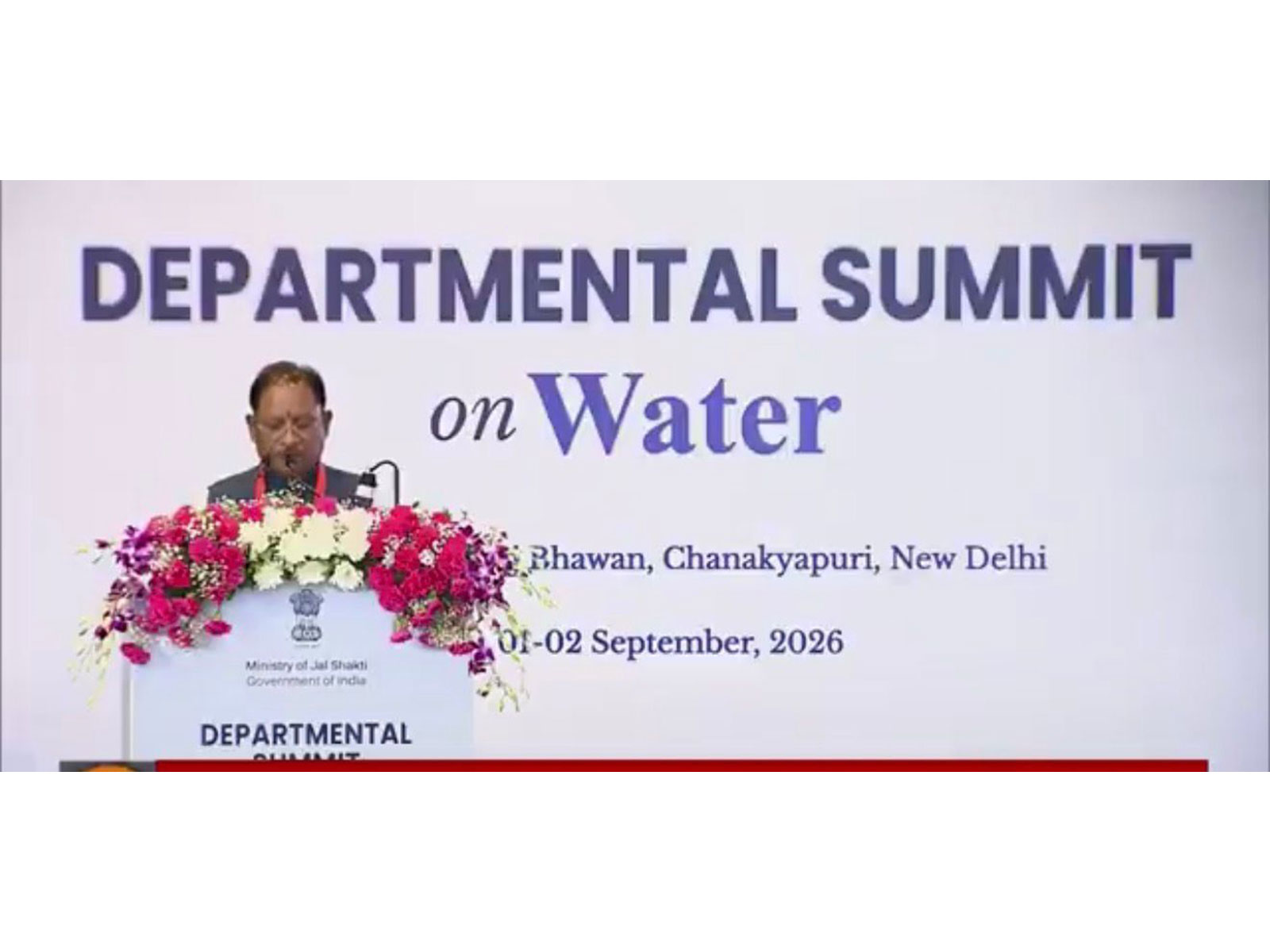
Chief Minister Vishnu Deo Sai presented Chhattisgarh’s water conservation initiatives and community-based model at the Ministry of Jal Shakti’s departmental summit in New Delhi, in the presence of Prime Minister Narendra Modi. During the ‘Catch the Rain’ session, Deputy Chief Minister Arun Sao highlighted the state’s initiatives in rainwater harvesting, groundwater recharge and protection of drinking water sources.

CM Sai emphasised that Chhattisgarh has transformed water conservation from a government programme into a people’s movement, with farmers, Gram Panchayats, Jal Sakhis, Jal Mitras and local communities playing a central role. The approach combines grassroots participation with technology-based monitoring and location-specific water conservation measures.

The state had secured the second position nationally in both JSJB 1.0 and JSJB 2.0. Under the first phase, more than 4.05 lakh water structures were created, while JSJB 2.0 saw more than 24 lakh structures reported. In the third phase, Chhattisgarh moved to the top position, with 79,775 structures registered and 77,719 completed.

One of the key innovations showcased by the state is the ‘5 Per Cent Model’ of Koriya district. Under this initiative, farmers voluntarily dedicate around five per cent of their agricultural land for rainwater harvesting and groundwater recharge. Panchayats, local communities and government departments work together to develop the required structures, supported by geo-tagging and regular monitoring.

The state’s water conservation efforts have also contributed to a reduction in the number of water-stressed blocks from 26 to 19. Along with constructing new recharge structures, Chhattisgarh has focused on restoring traditional water sources, improving groundwater recharge and using technology to map and monitor water conservation assets.

Highlighting the importance of replicating successful models across the country, CM Sai proposed state-specific ‘Catch the Rain’ plans, State Water Awards, stronger BISAG-N-based mapping and quarterly reviews. He stressed that community participation, technology and continuous monitoring can strengthen water security while supporting agriculture and rural livelihoods.

The achievement builds on Chhattisgarh’s sustained performance under the Jal Sanchay Jan Bhagidari initiative. Earlier this year, the Ministry of Jal Shakti had highlighted the state’s community-led approach, including the Koriya model and other low-cost groundwater recharge initiatives.

The recognition places Chhattisgarh among the leading states in India’s efforts to promote rainwater conservation, groundwater recharge and sustainable water management, while providing a potential model for other regions to adopt locally suitable, community-led solutions.