

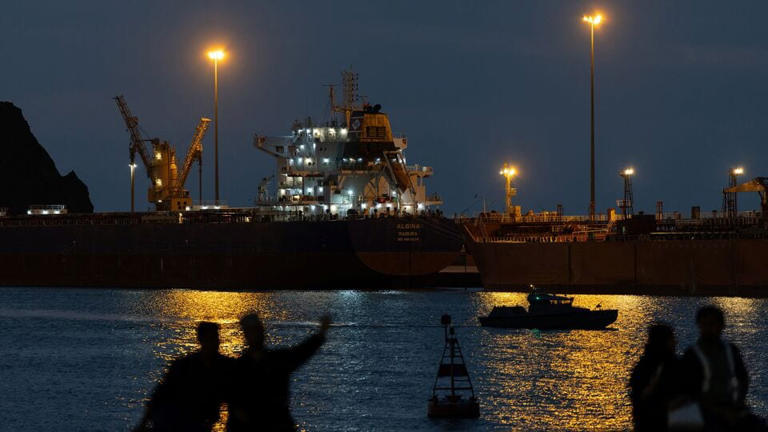

The strait is one of the world’s most critical maritime routes for oil and gas exports.
NEW DELHI: Iran’s Islamic Revolutionary Guard Corps (IRGC) has declared the Strait of Hormuz — through which about 20% of global oil shipments normally pass — closed to vessels associated with the United States, Israel and their allies.
The closure follows a series of military escalations including US and Israeli strikes inside Iran. Maritime traffic has plunged, with many commercial vessels avoiding transit due to the heightened military risk.
Attacks and threats against ships attempting to navigate the strait have been reported, including Iranian forces blocking or turning back container vessels.
The closure has spike fears of global energy supply disruption and rising oil prices.
Iran has indicated limited openings: Malaysian vessels, for example, were recently permitted to transit following diplomatic talks.
Tehran also extended a gesture toward Spain regarding possible coordinated transit under international law, signaling some openings for non-hostile flagged ships.
The United States, under President Trump, has extended deadlines for Iran to reopen the waterway and has pushed for renewed diplomacy even as the conflict drags on.
Pressure mounts on global insurers and shipping companies due to the volatility and risks associated with the strait’s closure.
The Strait of Hormuz connects the Persian Gulf to the Arabian Sea and is vital for oil exports from the Middle East. Although Iran controls one side of the waterway, complete legal closure under international law is widely disputed. Nonetheless, military escalation and threats have severely restricted traffic and raised geopolitical and economic stakes worldwide.