

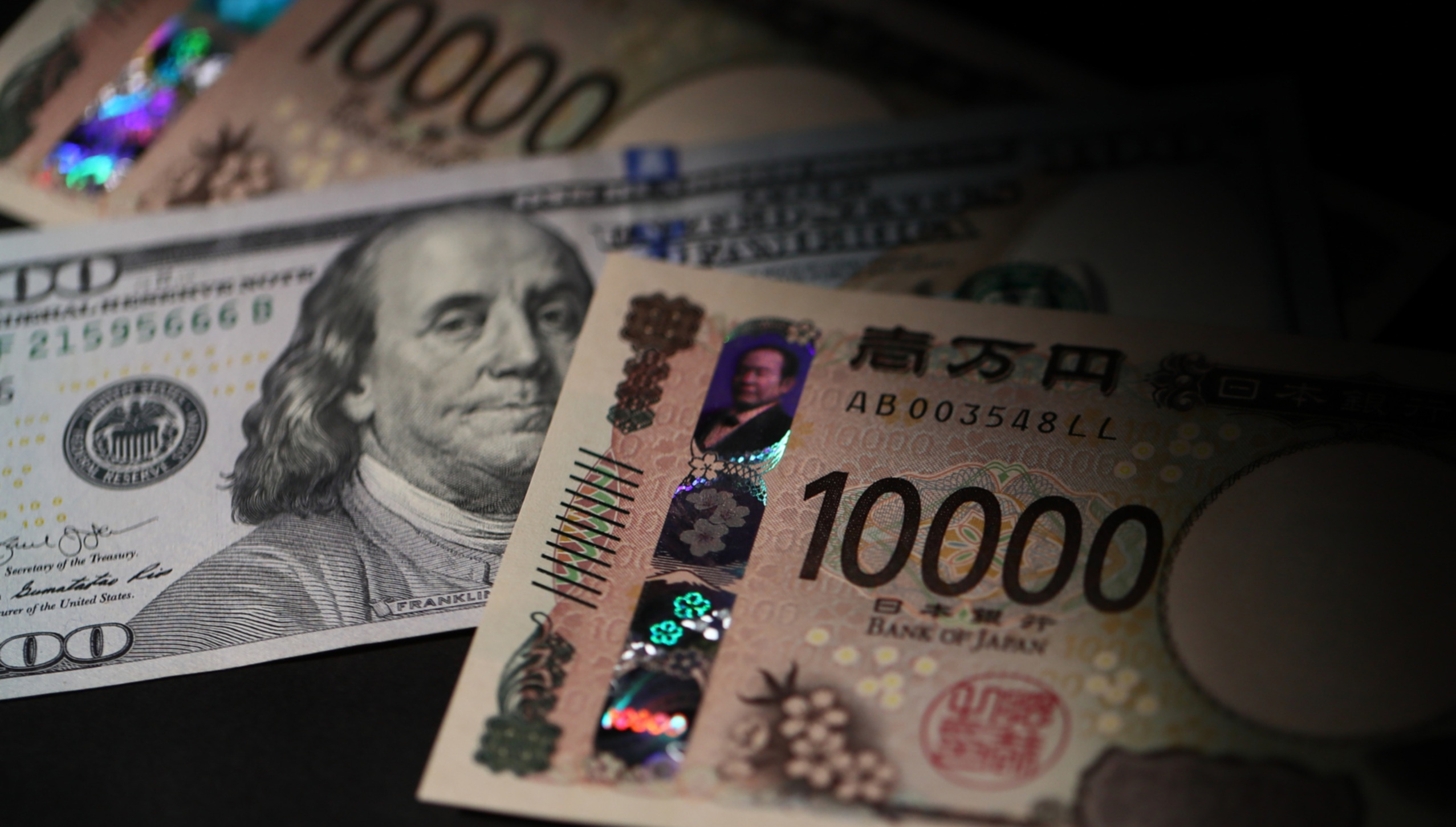

The latest gains came as investors increased their expectations that the Bank of Japan (BOJ) could raise interest rates at its upcoming policy meeting on September 17–18.
NEW DELHI: The Japanese yen strengthened sharply against the US dollar on Thursday, September 3, extending its rally to its strongest level in about a month. The dollar fell as much as around 2% against the yen, with the USD/JPY pair moving toward the ¥155–¥156 range.
The latest gains came as investors increased their expectations that the Bank of Japan (BOJ) could raise interest rates at its upcoming policy meeting on September 17–18. BOJ board member Hajime Takata indicated that the central bank should respond flexibly to inflation and economic developments, strengthening expectations of a more hawkish policy stance. Market pricing has put the probability of a 25-basis-point rate increase at roughly 75%, with some investors also considering the possibility of further hikes later in the year.
The yen's recovery marks a significant turnaround after the currency touched a 40-year low of around ¥164 per dollar in late July. Japanese authorities subsequently intervened in the foreign-exchange market to support the currency, with Japan and the United States conducting a rare coordinated yen-buying operation. Japanese authorities later reported spending a record ¥15.4 trillion ($96.5 billion) on currency-market intervention during the period from July 30 to August 26.
However, officials have not confirmed that the latest sharp move was caused by fresh intervention. Reuters reported that Bank of Japan data helped dispel market rumours that authorities had intervened during Wednesday's sudden yen appreciation. The move instead appears to have been driven largely by changing expectations around Japanese monetary policy and positioning in the currency market.
The yen has also benefited from weakness in the US dollar. Comments from Federal Reserve Governor Christopher Waller supporting a pause in US rate increases if inflation continues to ease reduced expectations of a September Fed hike. This contributed to a decline in the dollar index and further strengthened the yen's relative appeal.
A stronger yen could have significant implications for Japan's economy. It can help reduce the cost of imported energy and other commodities, potentially easing inflationary pressure on Japanese households and businesses. At the same time, a rapidly appreciating currency can weigh on exporters by reducing the yen value of overseas earnings.
Investors are now closely watching upcoming US employment and inflation data, as well as the BOJ's September policy meeting, for clues about the future direction of the yen-dollar exchange rate.